Start your 7-day meal and exercise plan for high blood pressure and diabetes. Get a simple DASH diet guide, low-sodium recipes, and safe exercise tips.
Quick Answer: What should I eat and how should I exercise with high blood pressure and diabetes?
A successful meal plan for high blood pressure and diabetes combines the DASH diet and the Diabetes Plate Method. Focus on lean proteins, non-starchy vegetables, and whole grains while limiting sodium to under 1,500 milligrams daily. Pair this with 150 minutes of weekly moderate exercise.
Medical Disclaimer
This article provides educational information and is not a substitute for professional medical advice. Always consult your physician, registered dietitian, or diabetes care team before making dietary changes or starting a new exercise program. Get medical clearance first, especially if you have existing complications like neuropathy or heart disease.
Your 7-Day Meal Plan for High Blood Pressure and Diabetes
Managing two conditions at once is tough. You might feel overwhelmed by conflicting advice about what to eat and how to move. That is why we created this 7-day meal plan for high blood pressure and diabetes. It takes the guesswork out of your daily routine.
This guide combines the best practices from the American Diabetes Association (ADA) and the American Heart Association (AHA). You will find practical, low-sodium meals and a safe, structured exercise routine. The goal is not perfection. The goal is building sustainable habits that protect your heart and stabilize your blood sugar.
You do not have to give up the foods you love forever. Instead, we will focus on adding nutrient-dense foods that naturally crowd out the less helpful ones. Let us look at the science behind this approach before diving into your 7-day schedule.
The Science in Brief: DASH and the Plate Method
To manage both type 2 diabetes and hypertension, you need a strategy that addresses both blood sugar and blood pressure simultaneously. The most effective approach combines the DASH diet with the Diabetes Plate Method.
The DASH diet stands for Dietary Approaches to Stop Hypertension. It emphasizes fruits, vegetables, whole grains, and lean proteins. It strictly limits sodium, saturated fats, and added sugars. This dietary pattern is clinically proven to lower blood pressure.
The Diabetes Plate Method is a visual tool for managing carbohydrate intake without counting every single gram. You use a standard 9-inch plate. Fill half with non-starchy vegetables. Fill one quarter with lean protein. Fill the last quarter with high-fiber carbohydrates.
Target Ranges for Your Daily Health
Your healthcare team will personalize these numbers for you. However, the ADA Standards of Care and the AHA provide the following general targets for adults managing both conditions.
Table 1: Target Ranges for Hypertension and Type 2 Diabetes
| Health Metric | General Target Range | Why It Matters |
|---|---|---|
| Sodium | < 1,500 mg/day (Ideal) < 2,300 mg/day (Max) | Reduces fluid retention and lowers blood pressure. |
| Carbohydrates | 30 – 45 grams per meal | Prevents sharp blood sugar spikes after eating. |
| Blood Pressure | < 130/80 mmHg | Protects kidneys, eyes, and the heart from damage. |
| A1C | < 7.0% | Shows your average blood sugar over the past 3 months. |
| Fasting Glucose | 80 – 130 mg/dL | Ensures your baseline blood sugar is in a safe range. |
7-Day Meal Plan Overview
This master table outlines your daily meals. Each day is designed to provide roughly 1,500 to 1,800 calories, with about 45 grams of carbohydrates per main meal. Sodium is kept under 1,500 mg daily by using herbs, spices, and citrus for flavor instead of salt.
Table 2: 7-Day Meal Plan Master Schedule
| Day | Breakfast (~40g Carb) | Lunch (~45g Carb) | Dinner (~45g Carb) | Snack (~15g Carb) |
|---|---|---|---|---|
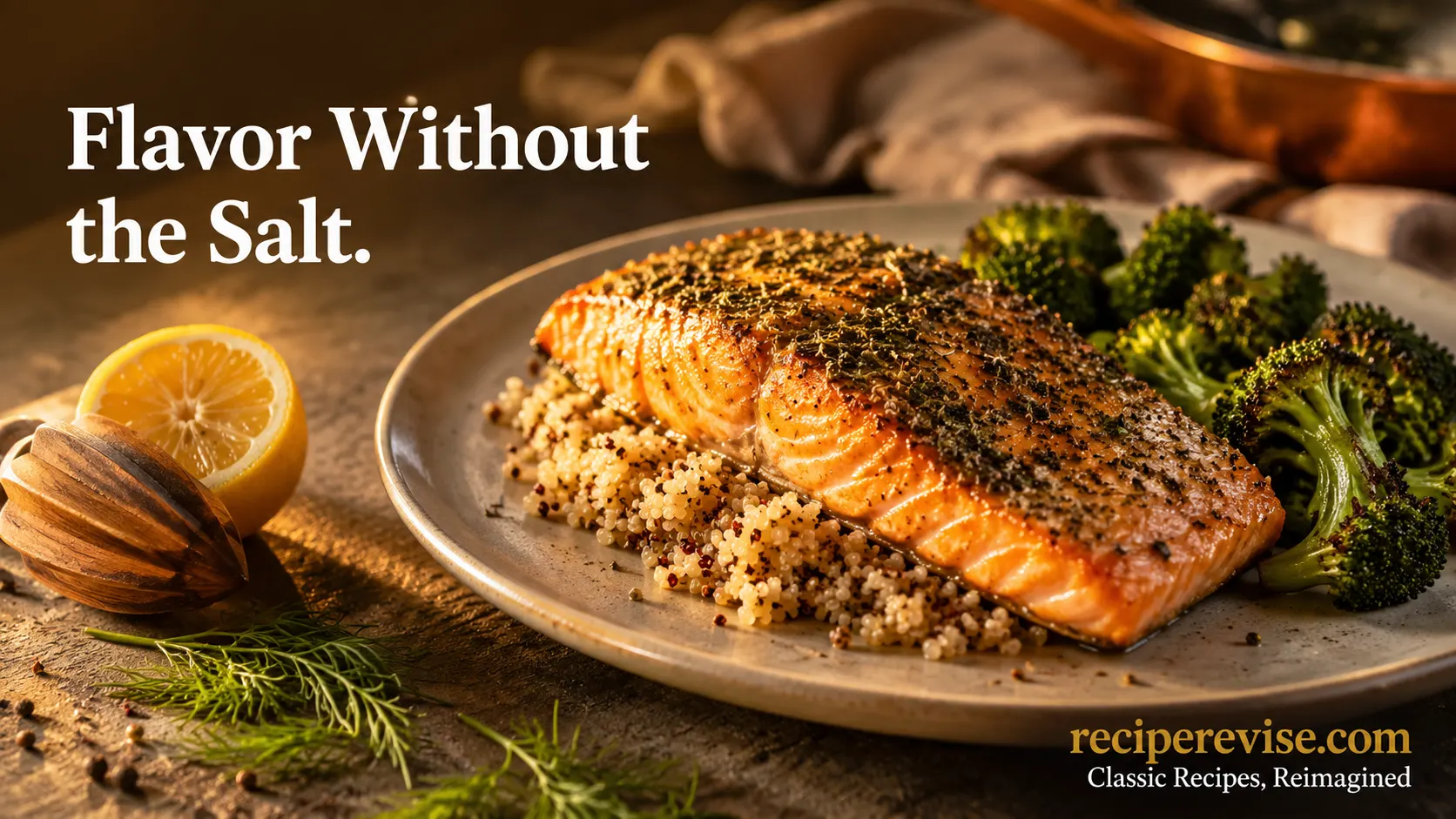
| 1 | 1/2 cup dry oats, 1 cup berries, 1 tbsp chia seeds | Large mixed greens salad, 4 oz grilled chicken, 1/4 avocado, vinaigrette | 4 oz baked salmon, 1/2 cup quinoa, 1 cup roasted broccoli | 1 small apple, 1 tbsp unsalted peanut butter |
| 2 | 3/4 cup plain Greek yogurt, 1/2 cup sliced peaches, 1 oz walnuts | Whole wheat wrap, 3 oz low-sodium turkey, spinach, tomatoes, mustard | 4 oz pork tenderloin, 1/2 cup mashed sweet potato, 1 cup green beans | 1 cup baby carrots, 2 tbsp hummus |
| 3 | 2 scrambled eggs, 1 cup spinach, 1 slice whole-grain toast | 1.5 cups low-sodium lentil soup, side salad with lemon juice | 4 oz shrimp stir-fry, 1 cup mixed peppers/onions, 1/2 cup brown rice | 1 oz unsalted mixed nuts |
| 4 | Chia pudding (2 tbsp chia, 1/2 cup unsweet almond milk, cinnamon) | Tuna salad (3 oz canned tuna in water, celery, Greek yogurt) on 1 cup cucumber slices | Chicken fajita bowl: 4 oz grilled chicken, 1/2 cup black beans, salsa, 1/4 avocado | 1 small pear |
| 5 | 2 slices whole-wheat toast, 1/4 avocado mashed, red pepper flakes | Leftover chicken fajita bowl from Day 4 | 3 oz lean beef stir-fry, 2 cups snap peas, 1/2 cup soba noodles | 1/2 cup shelled edamame |
| 6 | Smoothie: 1 cup unsweet soy milk, 1/2 banana, 1 scoop protein powder, spinach | Quinoa salad: 1/2 cup cooked quinoa, cherry tomatoes, cucumbers, feta, lemon dressing | 4 oz baked cod, 1 cup roasted asparagus, 1/2 cup wild rice | 1/2 cup low-fat cottage cheese, cinnamon |
| 7 | Veggie omelet (2 eggs, mushrooms, bell peppers), 1/2 cup melon | 2 small corn tortillas, 1/2 cup black beans, lettuce, salsa, 1 oz cheese | Turkey meatballs (4 oz lean turkey), 1.5 cups zucchini noodles, low-sodium marinara | 1 cup mixed berries |
Day 1: Starting Strong with Omega-3s
Why it works: Oats provide soluble fiber, which helps slow down sugar absorption. Salmon is rich in omega-3 fatty acids, which support heart health and reduce inflammation. Using a vinaigrette instead of store-bought dressing keeps sodium in check.
Day 2: Lean Proteins and Complex Carbs
Why it works: Greek yogurt offers a high-protein start that keeps you full. Sweet potatoes are a great source of potassium and fiber, but keep the portion to a half-cup to manage your carbohydrate load.
Day 3: Plant-Based Power and Antioxidants
Why it works: Lentils are a superfood for both conditions. They are packed with fiber and plant protein, which blunt blood sugar spikes. Shrimp is a very lean protein that cooks quickly and absorbs the flavors of low-sodium stir-fry sauces.
Day 4: Healthy Fats for Heart Health
Why it works: Chia seeds and avocado provide monounsaturated fats that support healthy cholesterol levels. Using Greek yogurt in the tuna salad instead of mayonnaise cuts saturated fat and adds a protein boost.
Day 5: Fiber-Rich Comfort Food
Why it works: Black beans and edamame are excellent sources of plant-based protein and fiber. Soba noodles (made from buckwheat) have a lower glycemic index than regular pasta, helping to prevent post-meal sugar crashes.
Day 6: Light and Refreshing Meals
Why it works: Cod is a mild, lean white fish that pairs perfectly with asparagus. A protein powder smoothie is a convenient way to hit your morning protein goals without adding hidden sugars or sodium.
Day 7: Flavorful and Flexible
Why it works: Zucchini noodles drastically cut the carbohydrate and calorie load of traditional pasta. Using a low-sodium marinara sauce and lean turkey meatballs gives you the comfort of Italian food without the blood pressure spike.
Printable Daily Summary
Print this table and stick it on your fridge for a quick daily reference.
Table 3: Printable Daily Nutrition Summary
| Day | Approx. Calories | Total Carbs | Total Sodium | Key Focus |
|---|---|---|---|---|
| Day 1 | 1,650 | 145g | 1,100mg | Omega-3s & Soluble Fiber |
| Day 2 | 1,600 | 150g | 1,200mg | Potassium & Lean Protein |
| Day 3 | 1,550 | 140g | 1,050mg | Plant Protein & Antioxidants |
| Day 4 | 1,600 | 135g | 1,150mg | Healthy Fats & Hydration |
| Day 5 | 1,700 | 155g | 1,250mg | High Fiber & Magnesium |
| Day 6 | 1,550 | 130g | 1,000mg | Lean Protein & Low Glycemic |
| Day 7 | 1,600 | 140g | 1,100mg | Volume Eating & Flavor |
Grocery List Callout
Produce: Spinach, mixed greens, broccoli, green beans, bell peppers, onions, snap peas, asparagus, zucchini, carrots, celery, cucumbers, tomatoes, avocados, berries, apples, peaches, pears, melon, lemons.
Proteins: Chicken breast, salmon fillets, pork tenderloin, shrimp, canned tuna (in water), lean ground turkey, cod fillets, eggs, plain Greek yogurt, low-fat cottage cheese.
Pantry/Grains: Dry rolled oats, chia seeds, quinoa, brown rice, wild rice, whole-wheat bread, whole-wheat wrap, lentils, black beans, edamame, soba noodles, corn tortillas, walnuts, unsalted peanut butter, hummus, unsweetened almond/soy milk.
Flavorings (No Salt Added): Olive oil, balsamic vinegar, garlic powder, onion powder, black pepper, red pepper flakes, cinnamon, cumin, paprika, low-sodium marinara sauce.
7-Day Exercise Plan for Type 2 Diabetes and Hypertension
Physical activity acts like natural medicine for both conditions. It makes your cells more sensitive to insulin, which lowers blood sugar. It also keeps your blood vessels flexible, which lowers blood pressure.
The CDC and AHA guidelines recommend at least 150 minutes of moderate aerobic activity per week, plus two days of resistance training. This plan builds up to that goal safely.
Table 4: 7-Day Exercise Schedule
| Day | Activity | Duration | Intensity | Notes & Precautions |
|---|---|---|---|---|
| 1 | Brisk Walking | 35 min | Moderate | Check blood sugar before starting. Wear supportive, well-fitting shoes. |
| 2 | Resistance Training (Upper Body) | 30 min | Moderate | Use resistance bands or light dumbbells. Breathe continuously; do not hold your breath. |
| 3 | Stationary Cycling | 35 min | Moderate | Great for joint health. Keep a steady pace where you can still hold a conversation. |
| 4 | Active Recovery / Stretching | 20 min | Light | Focus on mobility and deep breathing. Avoid sitting for more than 30 minutes at a time. |
| 5 | Resistance Training (Lower Body) | 30 min | Moderate | Focus on bodyweight squats, lunges, or calf raises. Stop if you feel dizzy. |
| 6 | Swimming or Water Aerobics | 40 min | Moderate | Excellent for neuropathy. The water supports your joints and keeps you cool. |
| 7 | Leisurely Yard Work or Hiking | 30 min | Light/Moderate | Stay hydrated. If doing heavy lifting (like moving rocks), pause to check your BP. |
Important Exercise Precautions
Check your blood sugar. If you take insulin or sulfonylureas (like glipizide), exercise can cause your blood sugar to drop too low. Check your levels before you start. If you are below 90 mg/dL, eat a 15-gram carbohydrate snack (like half a banana or 4 glucose tablets) before exercising.
Protect your feet. If you have diabetic neuropathy, you might not feel blisters or cuts. Always wear clean, dry, well-fitting socks and supportive athletic shoes. Inspect your feet daily after your workout. The Cleveland Clinic emphasizes that proper foot care prevents severe complications.
Breathe through resistance training. When lifting weights or using bands, never hold your breath. Bearing down and holding your breath (the Valsalva maneuver) causes a rapid, dangerous spike in blood pressure. Exhale on the effort, inhale on the release.
Know when to skip a workout. If your blood pressure is severely elevated (above 180/110 mmHg) or your blood sugar is over 250 mg/dL with ketones present, skip the workout. Rest and contact your doctor.
Watch for This: Safety Callout
Signs of Hypoglycemia (Low Blood Sugar): Shaking, sweating, rapid heartbeat, confusion, dizziness, or extreme hunger.
What to do: Stop exercising immediately. Consume 15 grams of fast-acting carbs (4 oz juice or glucose tabs). Wait 15 minutes and recheck your blood sugar.
When to call a doctor: If your blood sugar remains low after two treatments, if you experience chest pain, or if you have a persistent, severe headache during or after exercise.
Frequently Asked Questions
What is the best diet for type 2 diabetes and high blood pressure?
The DASH diet combined with the Diabetes Plate Method is the most effective approach. This combination emphasizes non-starchy vegetables, lean proteins, and high-fiber whole grains. It strictly limits sodium, saturated fats, and added sugars to simultaneously lower blood pressure and stabilize blood glucose levels.
How many carbohydrates should I eat per meal for diabetes?
Most adults with type 2 diabetes do well with 30 to 45 grams of carbohydrates per meal. However, carbohydrate needs are highly individualized based on your activity level, medications, and metabolic health. Work with a registered dietitian to find your specific target range.
Can I eat fruit if I have diabetes and high blood pressure?
Yes, you can eat whole fruits. Fruits contain natural sugars, but they also provide essential fiber, vitamins, and antioxidants. The fiber slows down sugar absorption, preventing sharp spikes. Stick to whole fruits rather than fruit juices, and monitor your portion sizes to manage your carbohydrate intake.
What exercises should I avoid with high blood pressure?
Avoid heavy weightlifting, isometric exercises (like planks or wall sits), and high-intensity interval training if your blood pressure is uncontrolled (above 180/110 mmHg). These activities cause sudden, extreme spikes in blood pressure. Stick to moderate aerobic and light-to-moderate resistance training until your doctor clears you.
How does exercise affect blood sugar levels?
Exercise increases insulin sensitivity, meaning your cells use glucose more effectively. This lowers your blood sugar levels during and after the activity. The effect can last for up to 24 hours. If you take glucose-lowering medications, you may need to adjust your doses or snack before exercising to prevent lows.
Why is sodium restricted for both conditions?
Sodium causes your body to retain excess fluid. This extra fluid increases the volume of blood in your vessels, raising blood pressure. High blood pressure damages the delicate blood vessels in your kidneys and eyes, worsening diabetes complications. Keeping sodium under 1,500 mg daily helps your kidneys flush out excess fluid.
Key Takeaways
- Combine Strategies: Use the DASH diet and the Diabetes Plate Method to tackle both blood pressure and blood sugar simultaneously.
- Watch the Sodium: Aim for less than 1,500 mg of sodium daily. Flavor food with herbs, spices, and citrus instead of salt.
- Control Carbs: Target 30 to 45 grams of high-fiber carbohydrates per meal to prevent blood sugar spikes.
- Move Consistently: Aim for 150 minutes of moderate aerobic exercise and two days of resistance training each week.
- Prioritize Safety: Check your blood sugar before exercising, protect your feet, and never hold your breath during strength training.
- Monitor Medications: Be aware of how your specific blood pressure and diabetes medications interact with diet and exercise.
Reference List
- American Diabetes Association (ADA). (2024). Standards of Care in Diabetes—2024. Diabetes Care, 47(Supplement_1). Retrieved from https://diabetesjournals.org/care/article/47/Supplement_1/S1/148754/Standards-of-Care-in-Diabetes-2024
- American Heart Association (AHA). (2023). Sodium and Salt. Retrieved from https://www.heart.org/en/healthy-living/healthy-eating/eat-smart/sodium
- Centers for Disease Control and Prevention (CDC). (2023). Physical Activity Guidelines for Americans. Retrieved from https://www.cdc.gov/physicalactivity/basics/guidelines/index.htm
- National Heart, Lung, and Blood Institute (NHLBI). (2022). DASH Eating Plan. Retrieved from https://www.nhlbi.nih.gov/health/dash-diet
- American Diabetes Association (ADA). (2023). Diabetes Plate Method. Retrieved from https://diabetes.org/healthy-living/healthy-eating/diabetes-plate-method
- Cleveland Clinic. (2023). Diabetic Neuropathy: Symptoms, Causes & Treatment. Retrieved from https://my.clevelandclinic.org/health/diseases/14655-diabetic-neuropathy
- Mayo Clinic. (2023). Hypoglycemia (Low blood sugar) – Symptoms and causes. Retrieved from https://www.mayoclinic.org/diseases-conditions/hypoglycemia/symptoms-causes/syc-20373685
One thought on “7-Day Meal Plan and Exercise Plan for High Blood Pressure and Diabetes”